About Nyanyadzi
A Story of Land, People, and Resilience in the Heart of Manicaland, Zimbabwe
Make a Donation
Join the Movement
Introduction — A Place Where Stories Begin.
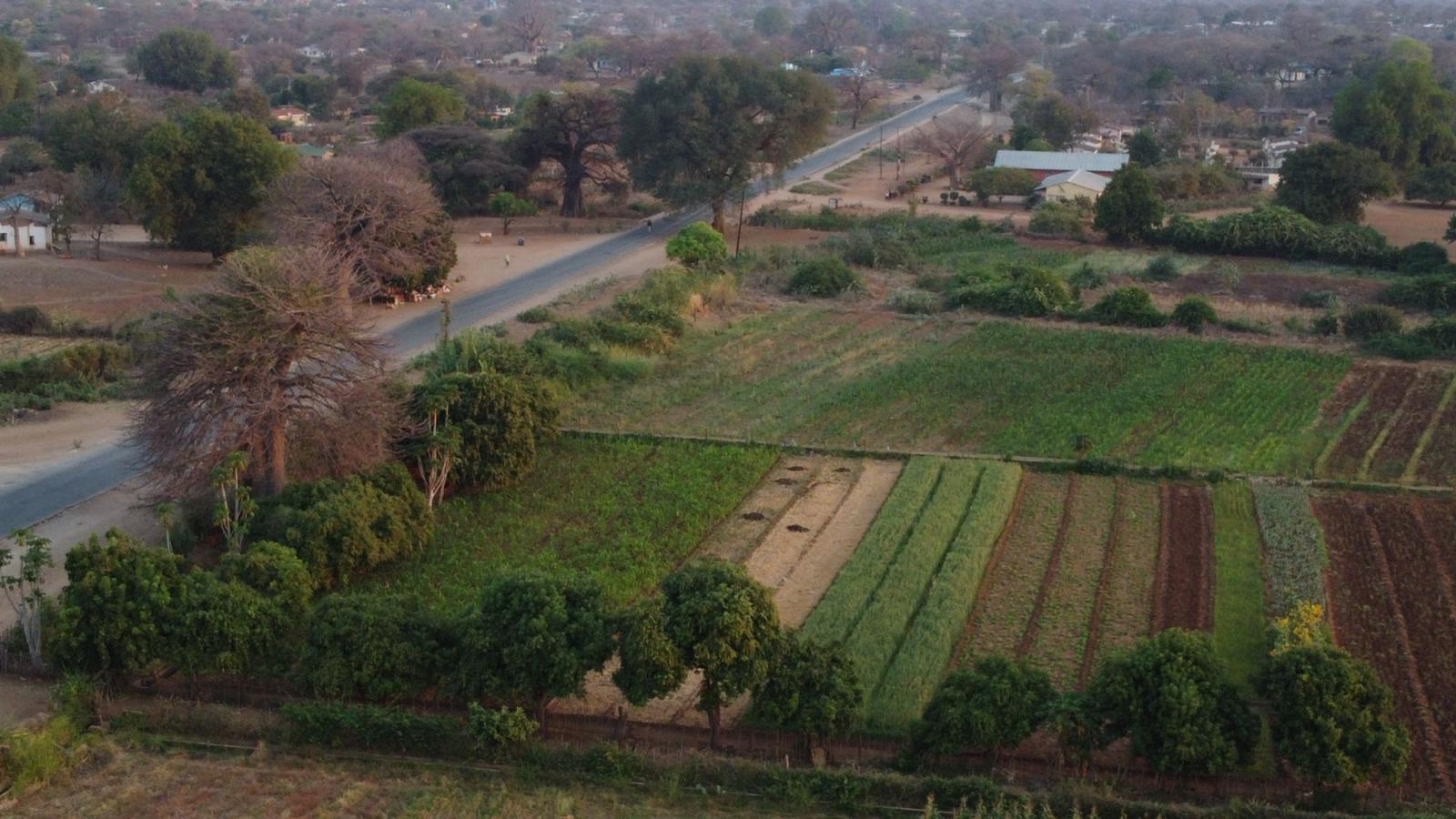
Nestled in the southern part of Manicaland Province, Nyanyadzi is more than a rural community — it is a landscape shaped by rivers, fields, ancestral memory, and a remarkable history of resilience. Its story is intertwined with the deep wisdom of its people and the groundbreaking innovations that transformed it from a drought-stricken area into one of southern Africa’s most celebrated irrigation hubs.
Nyanyadzi is a living testament to what is possible when community spirit meets visionary leadership. It is a story rooted in tradition, revived through ingenuity, and carried forward by generations.
Ancestral Foundations & Meaning of Nyanyadzi.
The origins of Nyanyadzi are tied to early Shona families who settled along the Save River system. The area’s name, drawn from local language and oral history, reflects its connection to land, water, and community life.
For generations, families cultivated small fields, raised livestock, and lived through the rhythm of nature — relying on collective labor, strong family bonds, and indigenous knowledge.
These ancestral practices laid the foundation for a community that valued cooperation, resilience, and reverence for the land.

Geography — The Land That Holds the Story
-
Nyanyadzi’s landscape is shaped by:
-
The Save River and its tributaries
-
Alluvial soils capable of high productivity
-
A warm, semi-arid climate
-
Proximity to the Eastern Highlands
These natural resources made Nyanyadzi fertile yet vulnerable — capable of abundance but historically prone to droughts. It was this tension between potential and hardship that set the stage for one of the most important agricultural transformations in southern African history.
-

Enter Emory Alvord — The Visionary Who Changed Everything
Nyanyadzi’s modern history cannot be told without Emory Delmont Alvord, a missionary and agricultural pioneer who is widely regarded as the godfather of agriculture in Southern Africa.
Who Was Emory Alvord?
-
Arrived in Mt. Selinda in 1919 with his wife Bernice
-
First introduced scientific irrigation and conservation farming in the region
-
Promoted to Southern Rhodesia’s Administrator for Native Agriculture (1926–1950)
-
Recognized for his contributions to African farmers by the British Government, which awarded the Order of the British Empire to him in 1948 for his work as director of the Department of Native Agriculture in Southern Rhodesia.
-
Championed “The Gospel of the Plow,” teaching soil conservation, contour ridges, and the use of manure
-
Established several pioneer irrigation schemes, including Nyanyadzi (1934)
Alvord’s work eventually influenced agricultural education across the country, including leadership roles at:
-
Alvord School of Agriculture (Chikore)
-
Marandellas School of Agriculture
-
Various mission-based agricultural centers
Until his passing in May 1959 at the age of 70, Alvord remained committed to improving African farming methods and empowering communities.
The Nyanyadzi Miracle — From Drought to Abundance
History records that Alvord’s life-changing interaction with Nyanyadzi began unexpectedly:
On his way to Umtali (now Mutare) by motorcycle, he arrived in Nyanyadzi to find families gathering icha — wild fruits collected for survival during drought. As he attempted to ride past, he reached Nyanyadzi River and found its waters waist deep.
His agricultural instincts were stirred.
In that moment, he realized:
“Life exists in this water — this river can feed this people.”
The Birth of the Irrigation Scheme
Alvord turned back, gathered local chiefs, subchiefs, and community members, and together they traveled up to Chitinha along the Nyanyadzi River. There, they identified a suitable point for a water intake.
A board was formed that same year to manage water distribution.
The transformation was dramatic:
-
Seasonally cultivated soils became evergreen
-
Food insecurity was replaced by crop abundance
-
Crop rotation methods were introduced
-
Nyanyadzi became a thriving agricultural hub
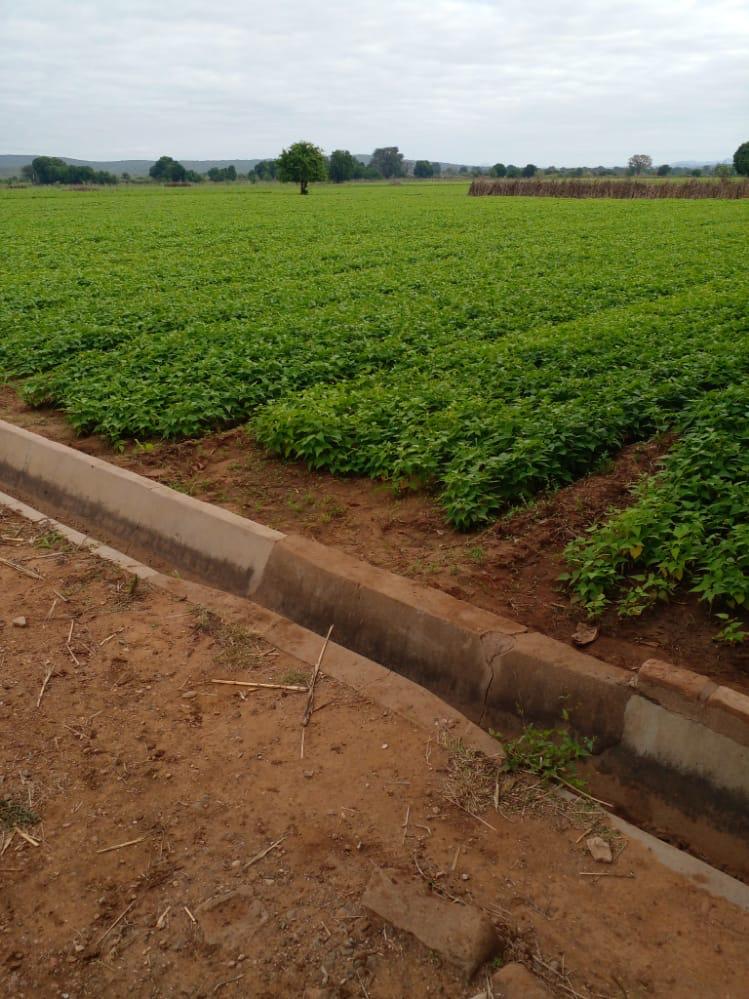
By the mid-20th century, Nyanyadzi Irrigation Scheme had become the pride of Southern Rhodesia, frequently visited by Prime Ministers and agricultural leaders. Ian Douglas Smith himself visited often during winter to admire the green fields, especially the expansive bean plantations.
A Tree That Holds Memory — The Mucha Tree Legend
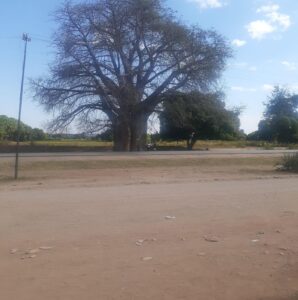
At the Nyanyadzi Training Centre stands a mucha tree with a gong hanging from it — a silent witness to history.
Local accounts say that this is where Mr. Alvord once tied his horse and slept under the tree, dreaming of the irrigation ideas he would later implement.
This tree is more than a landmark; it is a symbol of inspiration, vision, and transformation.
The Broader Legacy of Emory Alvord
Beyond Nyanyadzi, Alvord established pioneering agricultural systems across the region:
-
Mutema Irrigation Scheme (1932)
-
Nyanyadzi Irrigation Scheme (1934)
-
Chibuwe Irrigation Scheme (1936)
-
Tawona Irrigation Scheme (1953)
-
Promotion of manure use, soil conservation, and pfumvudza-style farming
-
Construction of straight contour ridges
-
Founding of Alvord School of Agriculture
His contributions revolutionized smallholder farming and remain central to Zimbabwean agriculture today.

Nyanyadzi Through the Decades — Growth, Community, and Change
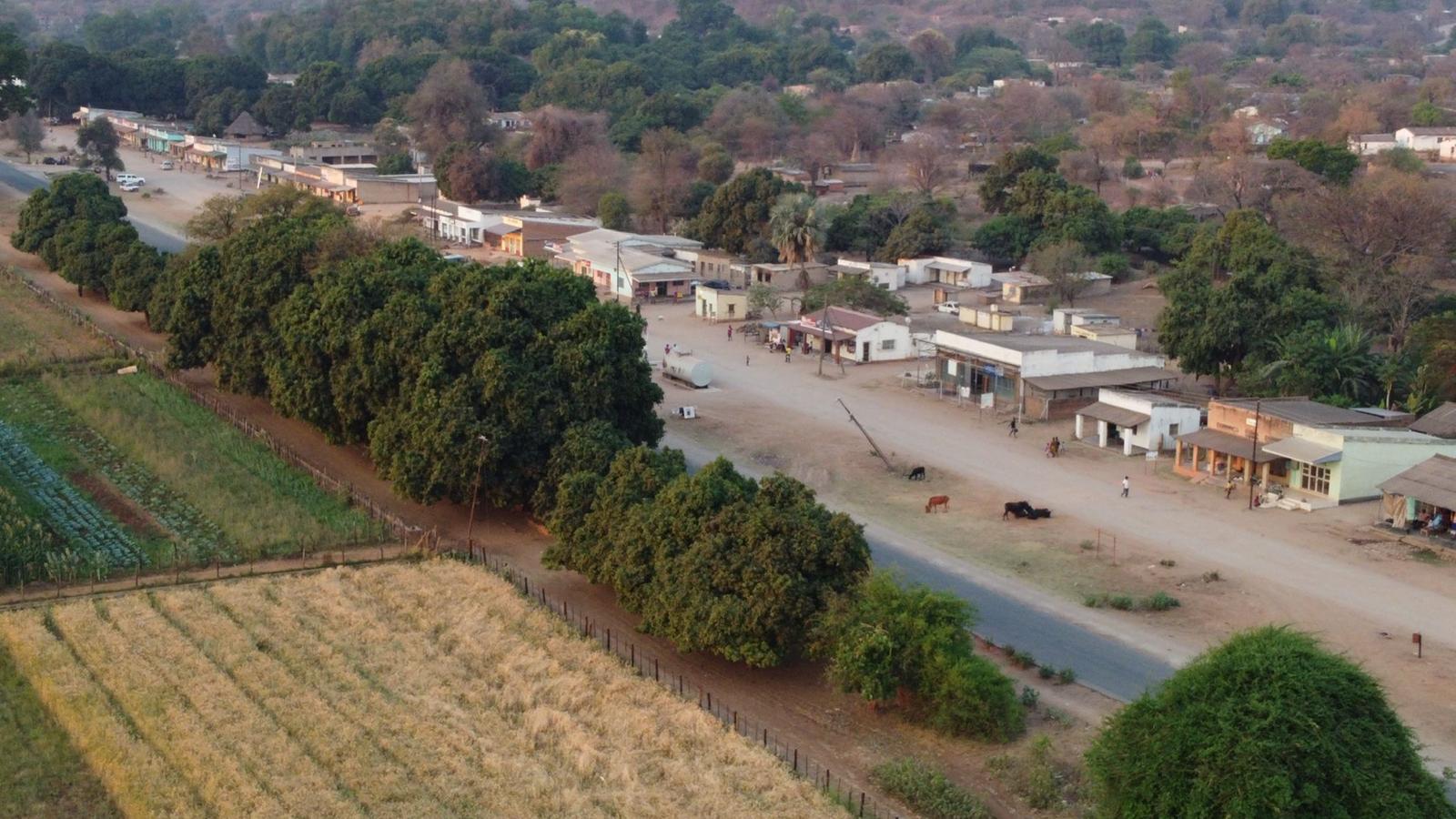
Following the establishment of irrigation, Nyanyadzi entered a period of consistent growth:
-
Expansion of schools and training centers
-
Increased agricultural output
-
Establishment of a thriving business center
-
Creation of farmer cooperatives
-
Introduction of citrus, beans, maize, and banana farming at scale
The area developed a strong reputation for hard work, innovation, and communal unity.
Challenges and Resilience
Nyanyadzi’s heritage is shaped by:
-
Traditional leadership structures
-
Church communities and mission work
-
Cultural ceremonies and seasonal gatherings
-
Extended family networks
-
A strong ethic of collective labor (nhimbe)
This cultural fabric remains the heartbeat of the community.
Despite progress, Nyanyadzi has faced:
-
Drought cycles
-
Economic hardships
-
Infrastructure decline, including the once-majestic mahogany-lined Alvord Avenue
-
Youth migration
Yet the community continues to endure, adapt, and rebuild.
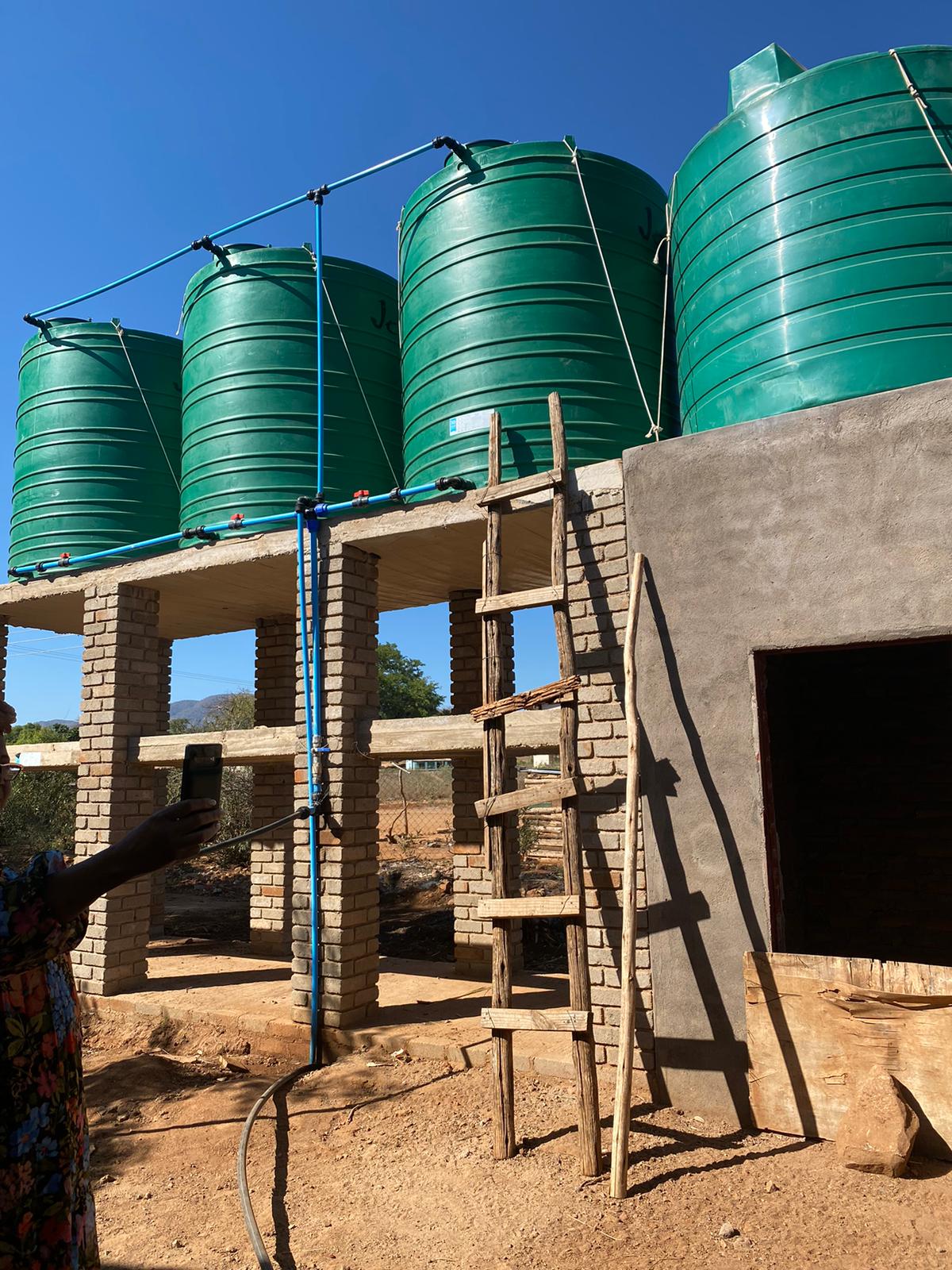
The water tanks on the right were donated to the Nyanyadzi United Methodist Church by one of the daughters of Nyanyadzi, Sarah Gwitira Dibi based in the diaspora. This donation helped to resolve the issue of lack of clean water during drought — preventing residences from having to walk long distances to fetch clean water.
.
Nyanyadzi Today — Where Past and Future Meet
Modern Nyanyadzi is a blend of tradition and innovation:
-
Vibrant banana plantations
-
Maize and horticultural projects
-
Solar-powered infrastructure
-
Schools and clinics continuing to serve the region
-
A growing connection with diaspora networks
-
Local markets and new entrepreneurial opportunities
Its identity is still deeply tied to the Alvord legacy, community resilience, and the power of collective effort.
.
The Diaspora — Carrying Nyanyadzi Forward
Nyanyadzi’s sons and daughters, now spread across Zimbabwe and the world, continue to invest back home:
-
Supporting schools and clinics
-
Funding agricultural and water projects
-
Providing scholarships for youth
-
Contributing humanitarian support
-
Preserving memory and cultural heritage
The diaspora forms a bridge between the community’s history and its future. The video on the right shows where NACOD Diaspora donated blankets for the expecting Mothers’ shelter at Nyanyadzi clinic
Looking Ahead — The Future Vision
Nyanyadzi continues to dream boldly:
-
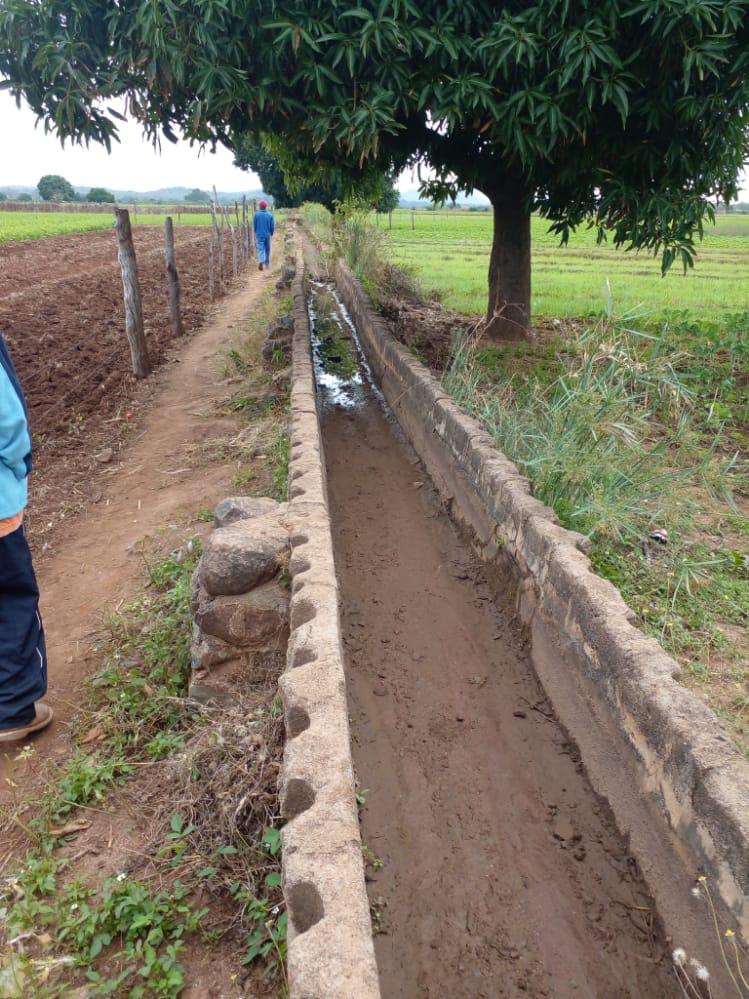
Modernizing irrigation and rehabilitating canals
-
Restoring key historical sites
-
Strengthening educational programs
-
Supporting maternal and child health
-
Improving infrastructure
-
Expanding youth employment
-
Documenting and preserving cultural and historical heritage
The foundation has already been laid by generations past — and the next chapter is ready to be written.

Conclusion — A Legacy That Lives On
The story of Nyanyadzi is a story of people, rivers, visionaries, and resilience. It is the story of a land transformed by ancestors, enriched by community spirit, and forever changed by the genius of Emory Alvord and the strength of local families.
Today, Nyanyadzi stands as a living beacon of what collaboration, courage, and innovation can achieve.
This narrative is still unfolding.
And Nyanyadzi — both at home and across the world — continues to rise.